Category: Arbitration

  • Can You Enforce a DIAC Award Through the DIFC Courts?

    Can You Enforce a DIAC Award Through the DIFC Courts?

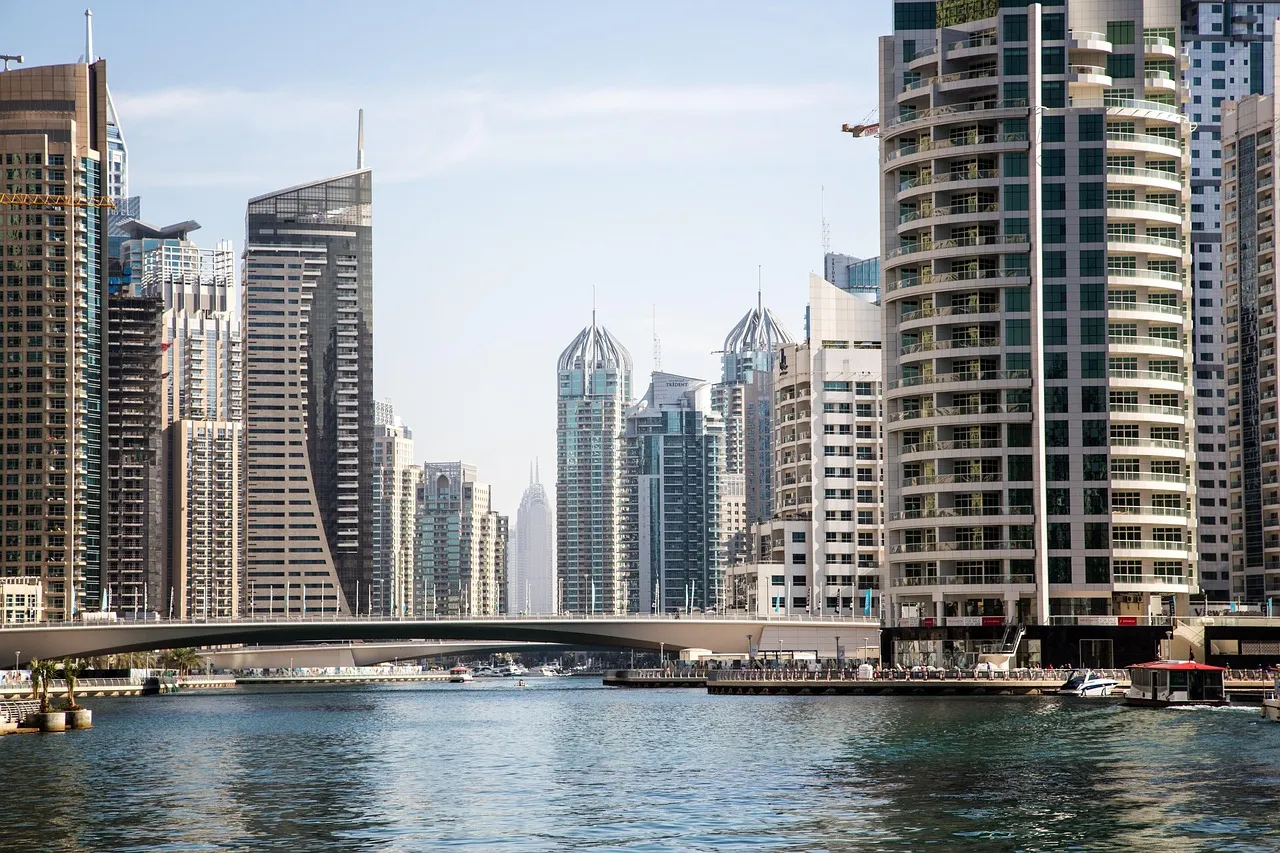
    You can enforce a DIAC arbitral award through the DIFC Courts, and for many creditors this is an increasingly attractive route. An award that cannot be realised against assets has little commercial value. The DIFC Courts have positioned themselves as a preferred forum for international enforcement: proceedings are conducted in English, procedures are familiar to common law practitioners, and the judiciary is experienced in complex cross-border disputes.

    DIAC itself has expanded rapidly. In 2023, it registered 355 cases, including 323 arbitrations, spanning construction, real estate, and a wide range of commercial disputes involving parties from across multiple jurisdictions.

    The framework has, however, become more nuanced. Dubai Decree No. 29 of 2024 established the CJT to resolve jurisdictional conflicts between the DIFC Courts and the Dubai Courts, and Dubai Law No. 2 of 2025 expanded the DIFC Courts’ jurisdiction. Against that backdrop, understanding both the advantges of the DIFC route and its emerging limits is essential.

    Why Award Creditors Use the DIFC Courts

    A DIAC award can be enforced through the DIFC Courts, and the route is often built into enforcement strategy from the outset of high-value transactions. Its key feature is the “conduit” function.

    Dubai Law No. 2 of 2025 expressly preserves this conduit function in Article 32, allowing DIFC-recognised judgments to be enforced onshore even where the debtor holds no DIFC assets. For creditors familiar with English or Singaporean court practice, the procedural feel is recognisable. That familiarity matters when speed is a commercial priority.

    A creditor can seek recognition in the DIFC even where neither party has any connection to it and even where the arbitration was seated elsewhere. Once recognised, the award becomes a DIFC judgment, which can then be transferred to the Dubai Courts for enforcement against onshore assets under Article 7 of the Judicial Authority Law.

    At that stage, the Dubai Execution Judge does not revisit the merits. Enforcement becomes procedural, which is precisely what makes the route efficient.

    Dubai Law No. 2 of 2025 confirms that DIFC-recognised judgments can be enforced onshore even without DIFC assets. For international parties, the procedural familiarity of the DIFC Courts, often compared to English or Singaporean courts, adds further appeal, particularly where speed is critical.

    How the Three Legal Regimes Fit Together

    Three regimes govern enforcement, each performing a distinct role.

    UAE Federal Arbitration Law (2018) governs onshore enforcement. Its refusal grounds mirror the New York Convention and are interpreted narrowly, although application can vary in practice.

    DIFC Arbitration Law (2008) governs recognition within the DIFC. Articles 42 and 43 allow enforcement of arbitral awards, including certain interim or partial awards. In Neal v Nadir, the DIFC Court of Appeal confirmed that “finality” is interpreted flexibly, allowing enforcement of awards that are substantively decisive even if not formally final.

    The New York Convention underpins both regimes and reinforces the pro-enforcement approach. In Obert v Ondray, the DIFC Courts confirmed that public policy challenges cannot be used to revisit the merits and are construed narrowly.

    The Enforcement Process

    Enforcement begins with a recognition application in the DIFC Courts, typically by Part 8 claim for  support by the arbitral award, the arbitration agreement, and certified translations where required.

    Preparation is critical. Translation errors, incomplete bundles, and inconsistent documentation are common sources of delay and are readily avoidable.

    The DIFC Courts do not reconsider the merits. Their role is limited to assessing whether any refusal grounds under Article 44 of the DIFC Arbitration Law apply.

    Once recognised, the award becomes a DIFC judgment. The creditor then proceeds to Dubai Courts for execution, submitting the DIFC judgment, a certified Arabic translation, and an enforcement letter from the DIFC Registry.

    Execution measures include bank account attachment, property seizure, garnishment, and travel bans. The Execution Judge does not search for assets, making prior asset identification essential.

    The CJT Risk After Serene v Energen

    The CJT, established in 2024, resolves jurisdictional conflicts between the DIFC and Dubai Courts. Its 2025 decision in Serene v Energen has introduced a significant constraint on the conduit route.

    In that case, the creditor sought DIFC recognition of an arbitral award. The debtor responded by filing annulment proceedings in the Dubai Courts and applying to the CJT. The CJT held that: (i) neither party had a DIFC connection, (ii) there was no opt-in to DIFC jurisdiction, (iii) no assets were located in the DIFC, and (iv) the proceedings were closely linked.

    It therefore directed the DIFC Courts to suspend enforcement and designated the Dubai Courts as the proper forum.

    The practical consequence is clear: where a debtor initiates onshore annulment proceedings and there is no DIFC nexus, DIFC enforcement may be halted. This creates unresolved tension with the New York Convention, which generally allows enforcement to proceed despite pending annulment actions.

    Recurring Defences and How to Handle Them

    Jurisdictional objections, arguing that the DIFC Courts lack sufficient nexus to hear the claim, are regularly raised. They are often unsuccessful, but they delay proceedings when not addressed at the outset. Post-Serene v Energen, respondents with no DIFC connection who are willing to file onshore annulment proceedings have a more credible basis for those challenges than they did before September 2025.

    Parallel proceedings should be used tactically. A respondent who files an annulment application onshore before DIFC enforcement is sought can, on the current CJT analysis, create a genuine jurisdictional contest. Timing matters: where the CJT risk is real, moving before the respondent can establish competing onshore proceedings is a material tactical consideration.

    As to the merits, Obert v Ondray confirms that public policy objections will not be allowed to function as a back-door appeal. Administrative failures, meaning incomplete bundles, uncertified copies, and inconsistent translations, generate delays out of all proportion to the actual difficulty. They are preparation problems that should not arise.

    Practical Guidance for Award Creditors

    Asset mapping is essential. The Dubai Execution Court does not identify assets, so creditors must locate bank accounts, property, shareholdings, or receivables in advance.

    Seat selection matters. A DIFC seat places the arbitration within the DIFC Courts’ supervisory jurisdiction and reduces the risk of jurisdictional conflict.

    Arbitration clauses should be clearly drafted and up to date. Institutional changes, including the consolidation of DIFC-LCIA cases into DIAC, should be reflected in new agreements.

    Early engagement of counsel improves outcomes. Enforcement requires coordinated preparation, including documentation, translations, and risk assessment.

    Final Words

    Used effectively, the DIFC route is one of the most effective enforcement mechanisms available to international creditors across the region. The process is fast, the framework is creditor-friendly, and the onshore tools give you genuine leverage over a debtor’s assets. Getting there smoothly is not a legal problem. It is a preparation problem, and preparation is entirely within your control.

  • Kazakhstan Is Becoming The Go-To Arbitration Destination

    Kazakhstan Is Becoming The Go-To Arbitration Destination

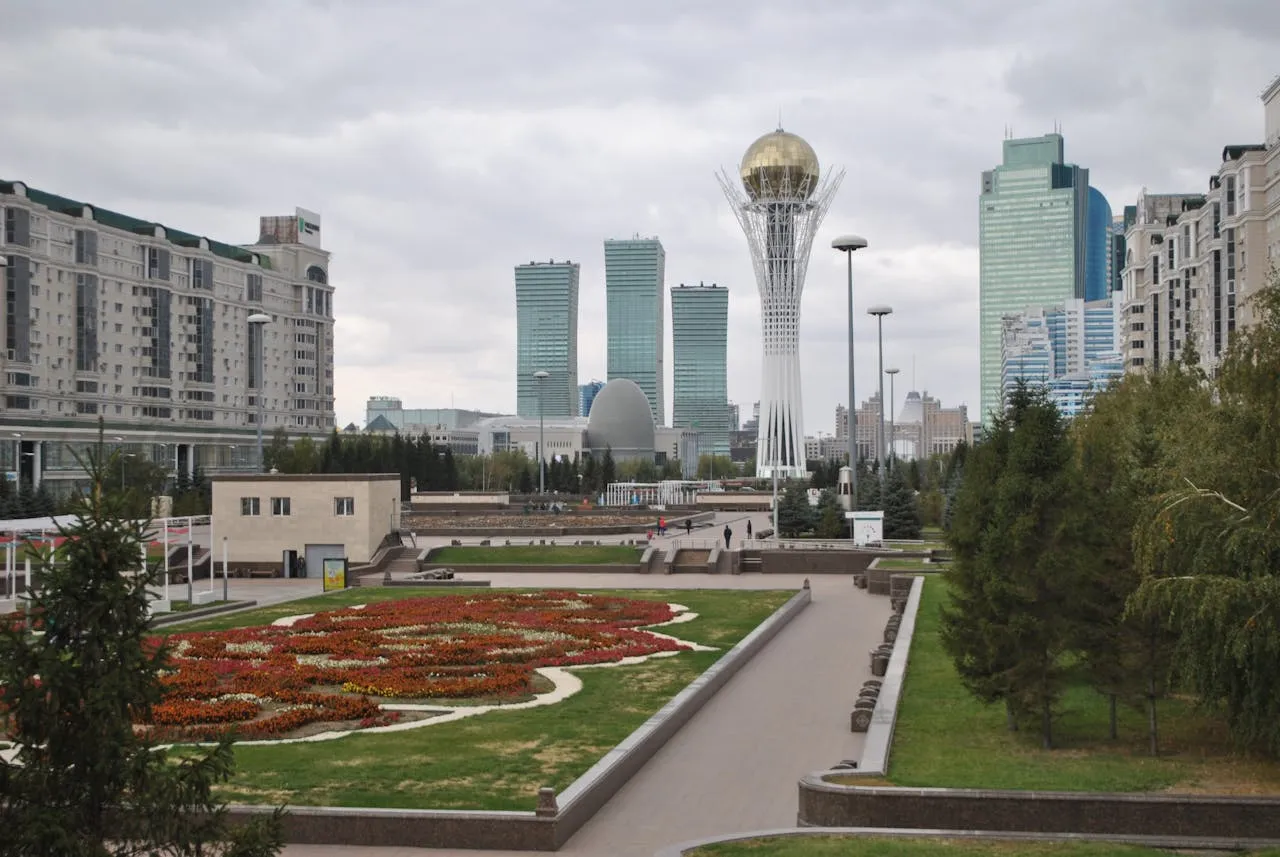
    Kazakhstan is a serious player in international arbitration. The Astana International Financial Centre (AIFC) has built an independent court and arbitration centre that has genuinely attracted international business from across Central Asia, the Middle East, and China.

    I have been advising clients on commercial disputes in Kazakhstan and the surrounding regions for many years, and the pace of change at the AIFC has been striking. When the centre launched in 2018, it was an ambitious project. Today, the International Arbitration Centre (“IAC”) has handled nearly 5,000 cases, with around 90% of those cases having no direct connection to the AIFC itself. This means parties are actively choosing Astana as their arbitration seat.

    This article sets out how the AIFC arbitration framework works, what the interim measures regime looks like in practice, and the practical issues any legal adviser working on Kazakhstan disputes should understand before proceeding.

    The AIFC Framework in Brief

    The AIFC Constitutional Statute gives the AIFC Court exclusive jurisdiction over disputes between AIFC participants, disputes governed by AIFC law, and any commercial dispute that the parties agree to refer. That last category matters. Any two parties, regardless of whether they have any connection to the AIFC, can opt into the AIFC Court and IAC by contract. It is a deliberate feature of the system, designed to attract international business.

    The AIFC Court and IAC operate entirely in English. Proceedings are conducted under English common law principles, and where a moot point arises, the AIFC reverts to English law as its primary source of law. Most of the judges on the court have trained in English law, and that is the tradition they work within. The court will also take account of the law of other common law jurisdictions, including decisions from Singapore, Hong Kong, and Australia, which makes the AIFC’s jurisprudence genuinely familiar to international practitioners.

    The interest in English law is real and growing. Kazakhstan’s legal community has invested substantially in understanding it. This gives UK lawyers acting for parties in the region a practical advantage, as the procedural rules are the same or very similar.

    Availability of interim measures

    The AIFC Arbitration Regulations 2017 (the “Regulations”) contain an unusually clear and well-structured interim measures regime. Under Article 17, it is expressly stated to be compatible with an Arbitration Agreement for a party to apply to the AIFC Court for interim relief, before or during arbitral proceedings. The Tribunal’s constitution does not need to be complete before a party can seek protection from the Court. That is a meaningful difference from many domestic systems.

    Article 27 of the Regulations grants the Arbitral Tribunal the power to order interim measures. Those measures can cover four purposes:

    • Maintaining or restoring the status quo pending the outcome of the dispute
    • Preserving assets from which a future award might be satisfied
    • Taking action to prevent harm to a party or to the arbitral process itself
    • Preserving evidence relevant to resolving the dispute

    Where the Tribunal has already issued an interim order, a party can apply to the AIFC Court of First Instance to enforce it, provided that the Tribunal has given its written permission. Under AIFC Rules 27.30 and 27.31, the application must be made by Arbitration Claim Form, and the Court will not grant enforcement unless the applicant files written evidence of that permission. This is a sensible safeguard against parties using the court to bypass the Tribunal’s authority.

    In practice, the AIFC Court’s interim measures regime compares favourably with Kazakhstan’s domestic civil procedure rules. Under standard domestic practice, interim relief can only be obtained after proceedings have commenced, and a freezing order, once granted, may remain in place for six to eight months with little prospect of the respondent obtaining a discharge before then. The AIFC Court takes a different approach: it is required to schedule a review hearing at the point of granting relief, so the respondent’s position receives prompt consideration.

    The AIFC has developed a body of case law on interim measures. Cases include JSC Astana International Financial Centre Authority v Onyx Heavy Machinery Ltd (AIFC-C/CFI/2020/0004), Metallinvestatyrau LLP v Aksaystroy-2020 LLP (AIFC-C/CFI/2021/0013), LLP “TEMIR ZAT” v Joint Venture “Alaygyr” LLP (AIFC-C/CFI/2023/0046), and, most recently, Caspian Holding FZ-LLC v Gazexport Limited (AIFC-C/CFI/2025/0018). The 2025 energy sector case is particularly telling; it shows that the court is willing to grant relief in commercially sensitive disputes involving gas export arrangements.

    Enforcing Arbitration Awards In Kazakhstan

    The AIFC Court itself has an excellent enforcement record: 205 judgments delivered, with a 100% enforcement rate at the time of writing. AIFC Court orders carry the same legal force as judgments from Kazakhstan’s general jurisdiction courts. For disputes resolved within the AIFC system, enforcement has been reliable.

    The picture is more complicated when it comes to enforcing foreign arbitral awards in Kazakhstan’s domestic courts. Kazakhstan has acceded to the New York Convention on the Recognition and Enforcement of Foreign Arbitral Awards, which in principle means that awards made in other Convention states are enforceable in Kazakhstan. In practice, the position is more nuanced. A significant practical rule applies: in general, Kazakh courts will not enforce a foreign arbitration award if the debtor lacks an address or registered presence in Kazakhstan. Enforcement has occurred in some cases, but it is the exception rather than the standard outcome.

    There is also a structural tension in how the New York Convention operates in Kazakhstan. Kazakhstan joined the Convention by Presidential Decree in 1995 rather than by parliamentary ratification, and some Kazakh lawyers argue this means it does not automatically take priority over domestic law under the Kazakh Constitution. Others take the view that the decree still incorporates the Convention into national legislation, and it applies directly.

    Some argue that the mandatory public policy ground for refusal under Article 52(2) of the Law on Arbitration can be applied more broadly than the Convention’s permissive wording allows. From an international law perspective, Kazakhstan is bound by its accession obligations. From the perspective of a creditor trying to enforce in a Kazakh domestic court, that theoretical obligation may offer limited comfort.

    The AIFC is a genuine option for commercial dispute resolution, and for cross-border disputes with a Central Asian focus, it is increasingly the most practical one. The alignment with English law makes it accessible to UK-trained practitioners. The court’s independence, its interim measures framework, and its track record give clients reasonable grounds for confidence.

    That said, the domestic enforcement environment in Kazakhstan remains a distinct issue from AIFC enforcement. If a client’s strategy depends on recovering against a debtor whose assets are in Kazakhstan but who has no registered address there, the enforcement route will need careful planning. There is no automatic path from an arbitral award to a satisfied judgment.

    A few practical points worth keeping in mind:

    • Check whether the AIFC or IAC is specified in the contract. If it is, the AIFC Court’s jurisdiction and the arbitration framework apply directly.
    • For urgent asset protection, an application to the AIFC Court for interim relief before the tribunal is constituted has procedural advantages over domestic Kazakh courts.
    • If enforcement against a debtor in Kazakhstan is needed, investigate the debtor’s registered presence at an early stage. This will significantly shape the enforcement strategy.
    • Any matter involving Russian entities or judgments routed through Kazakhstan requires sanctions law review before any steps are taken.
    • The AIFC’s openness to other common law authorities means that English law arguments, properly framed, will be heard and understood.

    Kazakhstan’s Role in Enforcing Russian Judgments

    One development that deserves close attention is the volume of Russian judgments now being enforced in Kazakhstan. Since the imposition of Western sanctions following Russia’s invasion of Ukraine, Russian entities have found themselves unable to enforce judgments in most European jurisdictions. Kazakhstan has become a practical alternative. Russian companies with commercial relationships in Central Asia or with assets in the region have been seeking enforcement in Kazakh courts.

    For UK-based advisers, this creates a set of questions that require careful thought. Acting in connection with the enforcement of a Russian judgment can raise sanctions compliance issues depending on the identity of the parties, the nature of the underlying contract, and whether any relevant general licences or OFSI authorisations apply. The potential for conflict between Kazakhstan’s openness to Russian enforcement and the UK’s sanctions regime is an area where specialist legal advice is genuinely necessary.

    At Eldwick Law, we advise clients on exactly these types of cases: Kazakhstan arbitration procedure, AIFC enforcement strategy, and the sanctions law questions that often arise alongside them. If you are handling a matter involving Russian entities and Central Asian assets, or if you are instructed in a dispute where Kazakhstan is the enforcement jurisdiction, please do get in touch.

    Where Is Kazakhstan Headed?

    The IAC has signed 125 memoranda of understanding with arbitration institutions across Central Asia, the Middle East, China, and internationally. Those agreements are the mechanism through which the IAC is building the recognition and reciprocal enforcement relationships that give arbitration seats their long-term credibility. The direction of travel is clear.

    For the highest-value energy and infrastructure disputes, London, Geneva, and Stockholm remain the seats specified in legacy contracts, and they continue to attract the most complex cases. For example, the Kashagan oilfield arbitration, with claims now exceeding $160 billion, is registered with the Permanent Court of Arbitration and is being heard by a tribunal in Geneva, with hearings expected to continue into 2028. Kazakhstan also recently won the Karachaganak gas condensate arbitration before the Stockholm Chamber of Commerce, with the consortium of Eni, Shell, Chevron, and Lukoil potentially facing a payout of up to $4 billion.

    The disputes mentioned above concerned older contracts. New agreements, particularly those involving Chinese and Middle Eastern investors in the region, are increasingly selecting the IAC, DIAC, SIAC, or HKIAC. As the AIFC Court’s jurisprudence develops and its reputation outside Central Asia grows, there is every reason to expect the IAC’s share of mid-market and complex regional disputes to increase.

    Get in Touch

    If you are involved in a dispute with a Kazakhstan element, or if you are advising a client on a contract that may give rise to one, I am happy to discuss the legal and procedural options with you. You can reach the team at Eldwick Law by calling +44 (0) 203 972 8469 or emailing mail@eldwicklaw.com. We advise on AIFC arbitration, interim measures applications, enforcement strategy, and the sanctions law issues that frequently arise in Central Asian commercial disputes.

    Frequently Asked Questions

    Can any party use the AIFC Court, or is it restricted to AIFC members?

    Any party can opt into the AIFC Court by agreement, regardless of whether they have any connection to the AIFC or Kazakhstan. Article 13(4) of the AIFC Constitutional Statute expressly allows parties to transfer disputes to the AIFC Court by consent, making it accessible to international commercial parties as a chosen seat.

    How does the AIFC interim measures regime differ from domestic Kazakh courts?

    The AIFC Court allows a party to apply for interim relief before arbitral proceedings have even started, and it schedules a review hearing at the point of granting relief. Under the AIFC Arbitration Regulations 2017, Articles 17 and 27, this dual-track system is expressly preserved. Domestic Kazakh courts can only grant interim measures after proceedings commence, and freezing orders can remain in place for up to six to eight months without readily available discharge.

    Will a foreign arbitral award be enforced in Kazakhstan?

    Kazakhstan is a party to the New York Convention, so foreign arbitral awards are in principle enforceable. In practice, Kazakh courts generally require the debtor to have a registered address or presence in Kazakhstan before granting enforcement. This has been the prevailing approach, though enforcement has been achieved in some cases without it. The position should be assessed carefully based on the facts.

    What law does the AIFC Court apply?

    The AIFC Court applies English common law as its primary reference point. Where a legal question is not resolved by AIFC legislation or rules, the court turns to English law. It will also take into account decisions from other common law jurisdictions, including Singapore, Hong Kong, and Australia. Full details of the court’s legal framework are available at court.aifc.kz.

    How does the enforcement of Russian judgments in Kazakhstan affect sanctions compliance?

    Russian entities unable to enforce in European courts have been seeking enforcement in Kazakhstan. If a UK-based adviser or party is involved in such proceedings, they need to assess whether acting in connection with the Russian judgment or entity raises issues under the UK sanctions regime. Whether a relevant OFSI licence is required will depend on the specific facts, the identity of the parties, and the nature of the underlying transaction. OFSI guidance is available at gov.uk/ofsi.

  • Upcoming Event – How Arbitration Friendly is Kazakhstan?

    Upcoming Event – How Arbitration Friendly is Kazakhstan?

    Rashid Gaissin will be co-moderating the “How Arbitration Friendly is Kazakhstan?” event, hosted by Latham & Watkins in association with the CIArb London Branch and the British-Kazakh Law Association.

    This event will bring together leading practitioners to discuss the evolving arbitration landscape in Kazakhstan and its attractiveness as a dispute resolution hub. It promises to offer valuable insights for professionals involved in international arbitration and cross-border disputes.

    Invitation document on Linkedin

  • Azerbaijan Arbitration Days 2025 And The Baku Arbitration Centre Inauguration

    Azerbaijan Arbitration Days 2025 And The Baku Arbitration Centre Inauguration

    A strong sense of motion defines modern Azerbaijan. Known as the land of fire and ice, the country is enjoying stability in terms of commerce and the rule of law. Nowhere does progress echo more loudly than in Baku, where old stone meets glass, and aspiration is as bright as the Flame Towers at dusk.

    The inauguration of the Baku Arbitration Centre (BAC) was neatly folded into the wider spectacle of the Azerbaijan Arbitration Days 2025. This was not simply a regional conference. To myself and Waleed, it signalled a significant shift: from hydrocarbons to commercial hubs, from handshake deals to robust legal rules written for an international age.

    Our observations were that neutrality, transparency, and fairness run through the BAC. This shows in the new rules, the leadership, and the inclusive bilingual approach. Chief Justice Karimov and Justice Minister Ahmadov delivered the centrepiece speech in excellent English, reflecting Azerbaijan’s readiness to engage in international trade and commerce. The BAC opens the door to locally resolved, internationally respected commercial disputes.

    Inclusion and accessibility matter. BAC’s publications and training initiatives support a new generation of lawyers keen to shape the future of Eurasian law.

    What are Azerbaijan’s primary industries?

    This land has always traded in contrasts. In the twenty-first century, energy stands at the centre, with oil and gas bankrolling infrastructure and social change. GDP is climbing steadily. Foreign investment follows suit, turbocharged by pipeline deals and new gas fields that stretch Azerbaijan’s reach as far as Israel.

    In addition, progress on the Zangezur Corridor is moving swiftly. Speaking at the 7th Consultative Meeting of Central Asian Heads of State in Tashkent, President Aliyev stated:

    “The construction of the Zangezur Corridor on the territory of Azerbaijan is nearing completion. With an initial throughput capacity of 15 million tons, this railway will become an important artery of the Middle Corridor,” he said, adding the highway that will form part of the multi-modal corridor is also close to finalization.

    Everything in Baku whispers of progress while retaining a sense of history; the old city walls and the sweep of modern boulevards bear this out.

    Arbitration Days 2025

    The BAC’s debut attracted over 600 delegates, including judges, lawyers, policymakers, and business chiefs, from seventy countries. Just shy of 100 speakers covered everything from procedural reform to digital transformation in dispute resolution.

    Outside the formal stage, events hosted by the Turkic Arbitration Association reminded guests of the region’s spirit for partnership.

    Looking towards the future

    The BAC’s launch rests on the shoulders of reforming judges and a business community eager for regional solutions. Clarity and predictability in dispute resolution attract investment and secure growth.

    Arbitration Days 2026 promises an even broader canvas, drawing in legal minds from across Europe, Central Asia, and the Middle East. For any lawyer or business with an eye on the Caucasus, it’s a date for the diary.

    Concluding comments

    Azerbaijan has written a new chapter in law and commerce. The BAC stands as a work in progress and a promise, an institution invested in fairness, clarity, and progress. As dialogue with neighbouring states edges toward peace and as infrastructure projects tie the region ever closer, the rule of law becomes increasingly important. If business, trust, and cooperation matter, Baku seems ready to set the terms.

    FAQs

    What is the Baku Arbitration Centre?

    A specialist institution for commercial arbitration, designed to meet international standards and offer solutions to businesses in Azerbaijan and beyond.

    What made Arbitration Days 2025 stand out?

    An impressive roster: speakers from nearly 100 countries, a government-backed launch, and a genuine sense that Azerbaijan is open for global business.

    Why does the Middle Corridor matter?

    It places Azerbaijan at the centre of trans-Eurasian trade, making efficient legal solutions crucial for investment and growth.

    How does arbitration in Baku help business?

    It brings speed, neutrality, and local expertise to the table, qualities that investors and trading partners seek.

    Will BAC handle cross-border cases?

    Absolutely. International and regional disputes alike are at the heart of its mission.

    To discuss any points raised in this article, please call us on +44 (0) 203972 8469 or email us at mail@eldwicklaw.com.

    This article does not constitute legal advice. For further information, please contact our London office.

  • Uzbekistan And Kazakhstan International Disputes: The Role Of London-Based Arbitration In 2025

    Uzbekistan And Kazakhstan International Disputes: The Role Of London-Based Arbitration In 2025

    Cross-border commercial disputes involving Uzbekistan and Kazakhstan increasingly call for the strategic use of international arbitration. Both countries have modernised their legal systems to attract investors and offer transparent and efficient dispute resolution options. Yet, many large-scale disputes still look to London as the trusted seat or court for complex, high-value cases.

    In this article, I examine the latest arbitration developments in Uzbekistan and Kazakhstan, common dispute types, and London’s continued place in resolving complex international disputes erupting within Central Asia.

    Arbitration Reform and Institutional Growth in Uzbekistan and Kazakhstan

    Both Uzbekistan and Kazakhstan have made major advances in arbitration reform in recent years, aiming to align with international standards and enhance investor confidence.

    Uzbekistan Arbitration Reforms

    The Astana International Financial Centre (AIFC) is Kazakhstan’s flagship financial centre in Astana, operating under a distinctive legal framework, with English as the primary language. Modelled on the English common law system, with an independent AIFC Court and International Arbitration Centre, the AIFC aims to position Astana as a regional gateway for capital and investment across Central Asia.

    The AIFC Court has produced 205 judgments in its history with 100% enforcement rate.

    The Tashkent International Arbitration Centre (TIAC), established in 2018, has quickly gained international recognition. By early 2025, its caseload had tripled compared to the previous year, with disputes involving parties from Europe, the Middle East, China, and South Asia. TIAC now handles a wide range of cases, including commercial contracts, joint ventures, and technology disputes such as blockchain.

    In addition, the proposed Tashkent International Commercial Court (TICC) will create an opportunity for foreign investors to apply to the courts in Uzbekistan on the basis of international common law.

    Common Disputes in Uzbekistan and Kazakhstan Arbitration

    Arbitration cases in Central Asia are often linked to large-scale energy, mining, and construction projects.

    One of the largest examples is the Kashagan oilfield arbitration, involving KazMunayGas, Eni, Shell, ExxonMobil, TotalEnergies, CNPC, and INPEX. The dispute, seated in Geneva under the Permanent Court of Arbitration (PCA), concerns claims exceeding $150 billion and is expected to continue until 2028. Kazakhstan is also pursuing related domestic proceedings, highlighting the interplay between international arbitration and local enforcement.

    Similarly, the Karachaganak gas-condensate dispute before the Stockholm Chamber of Commerce (SCC) involves Shell, Eni, Chevron, and KazMunayGas. It centres on profit-sharing and cost recovery, illustrating the complexity of Kazakhstan arbitration and the need to coordinate international and domestic legal strategies.

    Why London Remains a Leading Arbitration Seat

    Although Tashkent and Astana arbitration centres are developing rapidly, London continues to often be the preferred choice for arbitration concerning high-value disputes.

    Older contracts often specify London, Geneva, or Stockholm as the seat of arbitration, reflecting long-standing trust in these established jurisdictions. London offers experienced and independent arbitrators and reliable enforcement under the New York Convention. These factors make London particularly attractive for energy and infrastructure disputes involving Uzbek and Kazakh entities.

    The Role of Chinese and Middle Eastern Investors

    The rise of Chinese and Middle Eastern investors in Central Asia is changing regional arbitration preferences. These investors often favour venues such as Dubai (DIAC), Singapore (SIAC), Hong Kong (HKIAC), and the Astana International Arbitration Centre (IAC).

    These arbitration seats frequently blend English law principles with regional rules and offer flexible dispute resolution mechanisms. For projects linked to China’s Belt and Road Initiative, mediation is often integrated into arbitration procedures.

    Wrapping up

    For small and medium international disputes, it is now possible to have them resolved in the region. However, London is still a highly relevant arbitration seat for complex, high-value international commercial disputes, especially those involving Russian sanctions, attempts to enforce Russian jurisdiction under Article 248.1 of the Russian Arbitrazh (Commercial) Procedural Code APC, and corresponding anti-suit injunctions.

    Frequently Asked Questions

    What arbitration institutions are active in Uzbekistan and Kazakhstan?

    Uzbekistan’s main institution is the Tashkent International Arbitration Centre (TIAC), while Kazakhstan’s key bodies are the AIFC Court and the International Arbitration Centre (IAC) in Astana.

    Why is London still the leading arbitration seat for Central Asia disputes?

    London offers neutrality, expert arbitrators, and strong enforcement under the New York Convention, making it ideal for Uzbekistan and Kazakhstan arbitration cases.

    How does the AIFC Court differ from Kazakhstan’s national courts?

    The AIFC Court applies English common law principles and operates entirely independently from Kazakhstan’s domestic judiciary.

    Which sectors generate the most arbitration cases in Central Asia?

    Energy, mining, and construction are the dominant industries, often involving complex, multi-party contracts.

    How do Chinese and Middle Eastern arbitration seats influence Central Asia dispute resolution?

    Venues such as Dubai, Singapore, and Hong Kong combine English law with regional practices, offering greater flexibility for investors and contractors operating across Central Asia.

    To discuss any points raised in this article, please call us on +44 (0) 203972 8469 or email us at mail@eldwicklaw.com.

    This article does not constitute legal advice. For further information, please contact our London office.