Category: Sanctions & Export Control

  • What UK Businesses Need to Know About Secondary Sanctions on China

    What UK Businesses Need to Know About Secondary Sanctions on China

    The 2026 sanctions on China – update

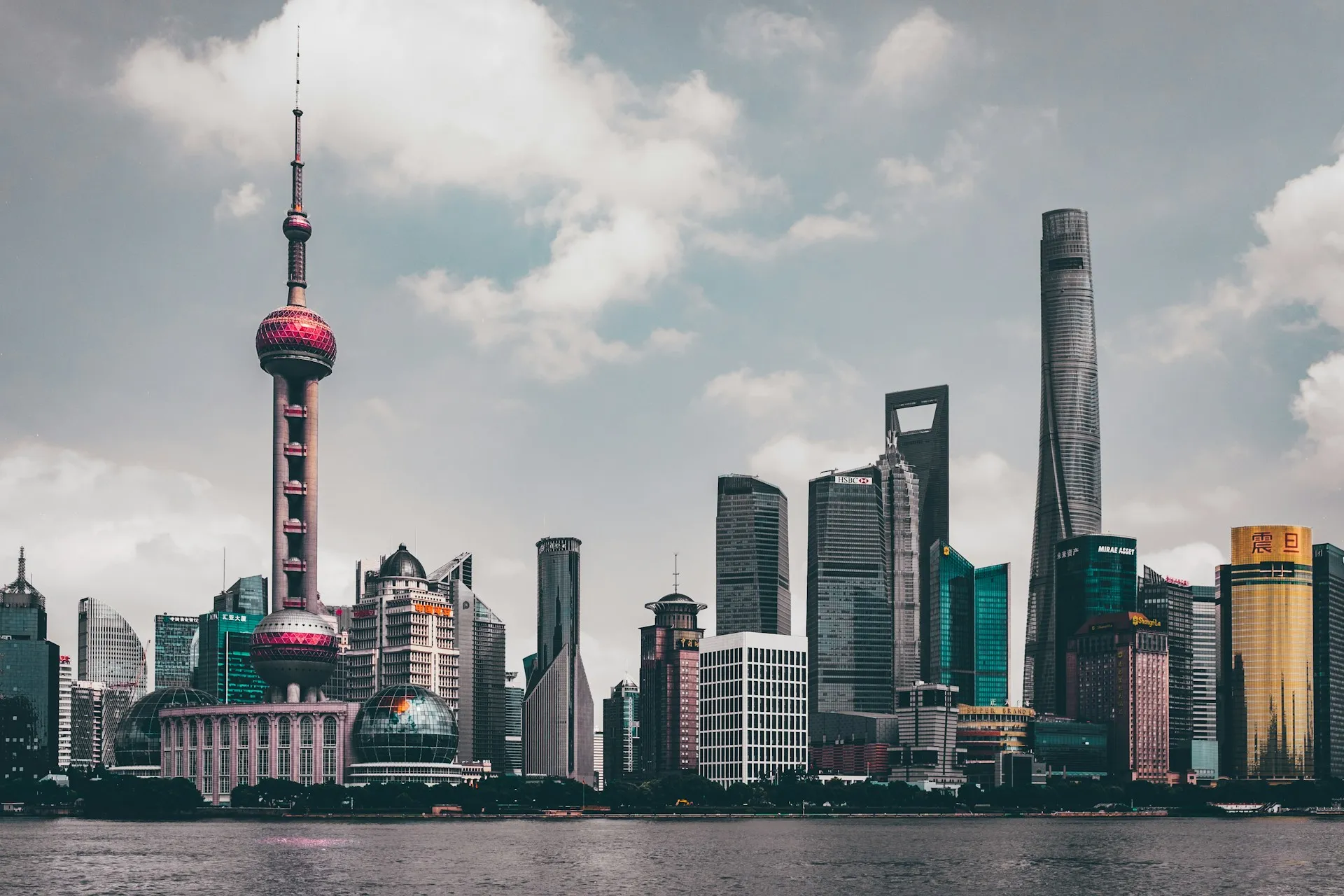
    The UK’s approach to China sanctions has shifted significantly over the past two years. Where the UK once confined its China-related sanctions to a handful of entities linked to human rights abuses or cyber threats, it now regularly designates Chinese companies under the Russia sanctions regime for facilitating circumvention of export controls and supplying restricted goods. This represents a form of secondary-style sanctions: measures directed at third-country entities whose activities support a primary sanctions target.

    This approach sits within the Government’s broader “Protect-Align-Engage” framework for managing the UK-China relationship, articulated in the 2023 Integrated Review Refresh. That framework acknowledges China’s economic importance while committing to robust action against threats to national security. The February 2026 sanctions package is the clearest expression yet of how the “Protect” pillar operates in practice. The UK Government sanctioned 240 entities, seven individuals, and 50 ships on 24 February 2026, the fourth anniversary of Russia’s full-scale invasion of Ukraine. Among the designated entities were Chinese companies, including Xiefeng (HK) International Electronics, Yibin Vector Electronic Technology, Beijing Xichao International Technology, and Shandong Future Robot, each accused of supplying goods or technology to Russia’s defence sector.

    Sanctions framework and primary legislation

    The Sanctions and Anti-Money Laundering Act 2018 (SAMLA) provides the statutory basis for UK sanctions regimes. It empowers ministers to make, amend, and revoke sanctions regulations by statutory instrument. The principal instrument relevant to China-related designations is the Russia (Sanctions) (EU Exit) Regulations 2019, as amended.

    A critical development came with the Russia (Sanctions) (EU Exit) (Amendment) (No. 3) Regulations 2024, which came into force on 31 July 2024. These regulations materially broadened the criteria for designation. New regulation 6(4)(f) allows the Secretary of State to designate any person “providing financial services, or making available funds, economic resources, goods or technology” to a person already falling within the existing designation criteria. This expansion enabled the UK to designate foreign entities, including Chinese companies acting as supply chain intermediaries, without establishing a direct connection to the Russian state. It also captured those engaged in circumvention or facilitation of sanctions breaches, even where their activities took place entirely outside UK territory.

    Since 28 January 2026, the UK Sanctions List maintained by the Foreign, Commonwealth and Development Office (FCDO) is the sole official source for designations. The former OFSI Consolidated List of Asset Freeze Targets has been retired. Businesses must ensure their screening systems draw exclusively from the UK Sanctions List.

    Secondary sanctions on China

    The UK designates Chinese entities through asset freezes under the Russia sanctions regime. The mechanism operates by identifying companies acting as circumvention hubs for restricted goods, particularly dual-use electronics, machine tools, microprocessors, and components used in weapons systems.

    The trajectory of designations over 2025 and 2026 illustrates the acceleration. In February 2025, the UK designated eleven Chinese entities as part of its largest sanctions package at that time, including ACE Electronic (HK) Co Ltd, GSK CNC Equipment Co Ltd, and Poly Technologies Inc, for supplying machine tools, microelectronics, and dual-use technology to Russia’s defence sector. In December 2025, a separate set of cyber-related designations targeted Sichuan Anxun Information Technology Co Ltd (known as i-Soon) and Integrity Technology Group for carrying out indiscriminate cyberattacks against government and private-sector IT systems worldwide.

    Then came the February 2026 package, which added a further tranche of Chinese companies to the UK Sanctions List for their roles in supplying the Russian military-industrial complex.

    Beijing’s response has been consistent and sharp. The Chinese Ministry of Commerce stated in March 2026 that the UK has “repeatedly imposed sanctions on Chinese companies under the pretext of Russia-related issues” and described them as “unilateral sanctions that lack a basis in international law.” It warned that China would “take necessary measures to safeguard its business interests.” The Chinese Embassy in London issued similar protests in October and December 2025.

    Enforcement and regulatory bodies

    Two principal bodies enforce UK sanctions: OFSI and OTSI.

    The Office of Financial Sanctions Implementation (OFSI), part of HM Treasury, is responsible for implementing and enforcing financial sanctions in a civil capacity. It has the power to impose civil monetary penalties of up to the greater of £1,000,000 or 50 per cent of the estimated value of the breach. In January 2026, OFSI published a penalty notice imposing a £160,000 fine on Bank of Scotland for breaching regulations 11 and 12 of the Russia (Sanctions) (EU Exit) Regulations 2019 by processing 24 transactions for an account belonging to a designated person. The bank benefited from a 50 per cent discount for voluntary disclosure.

    The new discount structure introduced by the Office of Financial Sanctions Implementation (OFSI) in February 2026 significantly reforms the calculation of civil monetary penalties. While the headline discount for voluntary disclosure has been reduced, the new framework allows for cumulative discounts that can reduce a baseline penalty by up to 70 per cent.

    The Office of Trade Sanctions Implementation (OTSI), part of the Department for Business and Trade (DBT), became operational in October 2024 and is responsible for the civil enforcement of trade sanctions. OTSI works in parallel with HMRC, which retains responsibility for criminal enforcement of trade sanctions and for export controls relating to physical exports and imports. OTSI’s regulatory reach extends beyond UK borders to UK businesses and traders operating abroad.

    Critically, the UK’s sanctions enforcement regime operates on a strict liability basis. Civil penalties can be imposed without requiring proof that the business knew, or had reasonable cause to suspect, that it was in breach of sanctions. This applies to both OFSI and OTSI enforcement.

    Case law and legal precedents

    Two recent legal developments are particularly relevant to businesses assessing their sanctions exposure.

    In Fridman v Agrofirma Oniks LLC EWCA Civ 139, the Court of Appeal held that the English courts lack personal jurisdiction over a sanctioned person who is indefinitely barred from entering the UK. Mr Fridman, designated under the Russia Regulations in March 2022, had his leave to remain cancelled, and the Court found that his absence from the jurisdiction could not be regarded as “temporary.” The claimants would need to apply for permission to serve proceedings out of the jurisdiction. This ruling has practical consequences for anyone seeking to bring claims against sanctioned individuals formerly resident in England.

    On damages for wrongful designation, the Economic Crime (Transparency and Enforcement) Act 2022 amended SAMLA to cap damages in designation challenge proceedings. The Sanctions (Damages Cap) Regulations 2022 set the cap at £10,000, and damages are only available where the claimant proves that the designation was made in bad faith. The cap may be disapplied where necessary to protect the individual’s Convention rights, but the threshold remains deliberately high. This significantly limits the Government’s financial exposure to claims arising from designation decisions.​

    How can UK businesses ensure compliance?

    Having spent many years advising clients on sanctions law, it is clear to me that sanctions compliance in 2026 demands more than periodic screening against the UK Sanctions List. Businesses with any exposure to Chinese counterparties, supply chains, or intermediaries should consider the following measures:

    • Conduct enhanced due diligence (EDD) on ownership and control structures. OFSI’s February 2026 call for evidence highlights that assessing whether a designated person exercises, or could exercise, control over an entity remains one of the most challenging areas for compliance teams. Firms should not rely solely on corporate registry data but should investigate the full chain of beneficial ownership.
    • Map supply chains to identify opaque intermediaries in third countries or overseas territories that may be routing goods or technology to China and onward to Russia. OTSI’s guidance on circumvention red flags provides a useful starting point for freight, shipping, and manufacturing businesses.​
    • Report suspected breaches to OFSI or OTSI “as soon as practicable.” For firms subject to mandatory reporting obligations, prompt disclosure carries material benefits: Bank of Scotland’s penalty was reduced by 50 per cent because it self-reported promptly.
    • Monitor the UK Sanctions List in real time. With designations issued at irregular intervals and sometimes with little advance notice, businesses cannot rely on monthly or quarterly screening cycles. Automated screening tools that draw directly from the FCDO’s UK Sanctions List are essential.​
    • Train staff at all levels to recognise sanctions risk indicators, particularly those working in procurement, trade finance, payments, and export compliance. The strict liability standard means that a lack of awareness is not a defence.​

    Wrapping up

    The UK’s willingness to designate Chinese entities under the Russia sanctions regime shows no sign of slowing. Designation volumes have increased markedly in each successive package, enforcement infrastructure through OFSI and OTSI is maturing, and the regulatory focus on ownership and control is intensifying. Businesses that trade with Chinese counterparties, source components from Chinese suppliers, or operate in sectors with complex international supply chains face a higher compliance burden than at any point since SAMLA came into force.

    My clients who have developed the most effective response view their compliance programme relating to sanctions risks as dynamic rather than static. They monitor the UK Sanctions List continuously, apply robust due diligence to ownership structures, and adapt swiftly to new designations.

    If you have a business with significant China exposure, taking specialist legal advice is the best way to ensure your commercial decisions remain lawful under an ever-expanding sanctions regime.

    Frequently asked questions

    Has the UK imposed direct sanctions on China as a country?

    No, the UK has not imposed a country-wide sanctions regime against China. The designations of Chinese entities have been made under the Russia sanctions regime (and, separately, the cyber sanctions regime). They target specific companies and individuals identified as facilitating Russia’s war effort or conducting hostile cyber operations, rather than Chinese commerce as a whole.

    Can a UK business be penalised for a sanctions breach it did not know about?

    Yes, the UK’s sanctions enforcement regime operates on a strict liability basis. OFSI and OTSI can impose civil monetary penalties without establishing that the business knew or had reasonable cause to suspect that a breach had occurred. This makes robust screening and due diligence essential for all UK businesses.

    What is the UK Sanctions List and how has it changed?

    Since 28 January 2026, the UK Sanctions List maintained by the FCDO is the sole official source for UK sanctions designations. It replaced the previous dual-list system, which included the OFSI Consolidated List of Asset Freeze Targets. Businesses must ensure that their compliance systems now draw exclusively from the UK Sanctions List.

    What should a business do if it suspects a sanctions breach?

    Report the suspected breach to OFSI (for financial sanctions) or OTSI (for trade sanctions) as soon as practicable. Prompt voluntary disclosure can result in a significant reduction in any penalty. Bank of Scotland received a 50 per cent discount on its penalty for self-reporting. Businesses should also seek specialist legal advice before taking any further steps in connection with the relevant transaction.

    How has China responded to UK sanctions on Chinese companies?

    China has consistently condemned the designations. The Chinese Ministry of Commerce described them in March 2026 as “unilateral sanctions that lack a basis in international law” and warned that China would “take necessary measures to safeguard its business interests.” China’s Anti-Foreign Sanctions Law of the People’s Republic of China also provides a legal framework for retaliatory measures against foreign sanctions. However, China has so far confined its response to diplomatic protests.

    To discuss any points raised in this article, please call us on +44 (0) 203972 8469 or email us at mail@eldwicklaw.com.

    This article does not constitute legal advice. For further information, please contact our London office.

  • When the Oil Sanctions Hit Home

    When the Oil Sanctions Hit Home

    How Sanctions Work in Three Moves

    The coordinated sanctions offensive operates across three dimensions, each carrying distinct legal implications.

    The first move is the direct designation of oil producers. When Lukoil was designated on 15 October 2025, any UK person or entity became prohibited from dealing with frozen Lukoil assets without specific authorisation from OFSI. The US followed on 22 October with OFAC blocking sanctions, whilst the EU imposed transaction bans. Wind-down general licences provided breathing room, but these have now expired (although some specific, tailored general licenses have been issued or extended for certain operations (e.g., specific oil projects, non-Russian retail stations, and certain EU-based subsidiaries) and these remain active into 2026 and, in some cases, beyond). December’s designation of Tatneft and other mid-tier producers extended the sanctions net further, signalling systematic targeting of Russia’s entire oil export infrastructure.

    The second move weaponises market access. The January 2026 refining loophole ban prohibits the import of refined petroleum products from any refinery that processes Russian crude oil. Indian refiners have become major buyers of Russian crude since 2022, purchasing at steep discounts and exporting refined products to Europe. The ban presents these refiners with a binary choice: continue processing Russian crude and lose European markets or abandon Russian supply chains to preserve EU and UK access.

    The third move targets logistics. Over six months, the UK has sanctioned 133 oil tankers that form Russia’s shadow fleet, the largest such action in Europe. Without access to insurance, port services, and mainstream maritime infrastructure, Russia’s export capacity is constrained by physical limitations.

    Together, these measures create what one analyst described as a “strategic vice.” Direct company sanctions cut demand. The refining ban closes third-country workarounds. Maritime sanctions restrict physical transport. For Russian oil producers, the result is seaborne storage of stranded crude, discounts of $25 or more per barrel against the Brent benchmark, and potential shut-ins of 1.6 to 2.8 million barrels per day.

    When Contracts Collide with Sanctions

    The High Court’s decision in Litasco SA v Der Mond Oil and Gas Ltd [2023] EWHC 2866 (Comm) provides a starting point in relation to contractual disputes, though the case predates Lukoil’s own designation. Litasco, a Swiss oil trading company wholly owned by Lukoil, sued Der Mond for non-payment under an oil supply contract. Der Mond invoked sanctions and force majeure defences, arguing that Litasco should be treated as an extension of its designated parent.

    The court rejected this reasoning. Mere ownership by a designated person does not, by itself, render a subsidiary designated by extension. There must be evidence that the designated person exercises routine control over the use of funds. This became known as the “control test.”

    Now that Lukoil itself is designated, the calculus shifts. Subsidiaries fall squarely within the asset freeze provisions unless covered by a specific general licence. OFSI has issued such licences for certain Lukoil entities: one covering Lukoil’s Bulgarian subsidiaries (valid for three months and renewable), and another for Lukoil International GmbH and its subsidiaries. These licences permit “continuation of business as normal” regarding UK financial sanctions, providing temporary relief whilst sales negotiations proceed.

    Yet the licences create their own complications. The three-month validity period introduces uncertainty. Parties negotiating long-term supply contracts face the risk that licences will expire mid-transaction. Renewal is not automatic. Each OFSI quarterly renewal decision becomes a pressure point.

    Wind-down licences have expired. Transactions initiated under those licences but not completed before expiry dates now require specific OFSI authorisation. This has left “stranded contracts,” agreements caught mid-performance when licences lapsed.

    Force majeure clauses face immediate pressure. Suppliers refuse delivery, citing illegality or sanctions-related impossibility. Buyers refuse payment, claiming sanctions prohibit processing payments to designated entities. The legal analysis turns on the precise wording of the clause and whether sanctions render performance illegal or merely more difficult and expensive.

    Price adjustment provisions are being tested with equal intensity. Many long-term oil supply contracts link pricing to benchmark rates, typically Brent crude. With Russian Urals crude trading at discounts of more than $25 per barrel to Brent, existing contracts are under severe pressure. Material adverse change clauses, renegotiation provisions, and hardship doctrines are all invoked.

    Arbitration Becomes the Terrain of Conflict

    Dubai Arbitration Week 2025 featured extensive discussion of how major oil company designations reshape arbitration strategy. Tribunals seated in Dubai can hear both sides, maintain procedural integrity, and preserve potential enforceability whilst dealing with sanctions restrictions that might complicate access to London or Paris seats.

    Yet UK practitioners must recognise that a Dubai seat does not eliminate UK sanctions risks. If a UK national serves as an Arbitrator or if a UK law firm represents a party, a UK nexus arises. The Arbitration Costs General Licence permits payments up to £500,000 per arbitration for Arbitrator and institution fees involving designated persons, but it does not cover legal services costs. These are governed by a separate “Legal Services” cap (often £1 million or a percentage of the dispute value), beyond which a specific OFSI licence is mandatory.

    The £500,000 cap creates planning challenges. Complex energy disputes routinely exceed this threshold in terms of costs. Once reached, parties require specific OFSI licences for additional payments.

    Barclays Bank plc v VEB.RF [2024] EWHC 2981 (Comm) illustrates how enforcement can be challenged. Barclays obtained an LCIA arbitration award against VEB.RF, a Russian state development bank, for $147.7 million. However, VEB.RF was designated under UK sanctions, so Barclays could not collect. VEB.RF subsequently breached the Arbitration Agreement by pursuing parallel Russian court proceedings.

    Sanctioned Russian entities, facing arbitration awards they cannot satisfy due to frozen assets, increasingly resort to Russian court proceedings in defiance of Arbitration Agreements. Russia’s Article 248.1 of the Arbitration Procedural Code claims exclusive jurisdiction over disputes involving Russian entities subject to “unfriendly state” sanctions.

    In Linde GmbH v RusChemAlliance LLC [2023] HKCFI 2409 and Renaissance Securities (Cyprus) Ltd v PJSC Prominvestbank [2023] EWHC 2816 (Comm), the courts upheld the Arbitration agreements and granted anti-suit injunctions restraining Russian court proceedings. For practitioners, when a sanctioned counterparty threatens or initiates Russian court proceedings in breach of an arbitration clause, the best route is to seek anti-suit injunctions promptly in arbitration-friendly jurisdictions.

    The Refining Ban and Cascade Disputes

    The January 2026 refining loophole ban introduces disputes rooted not in direct designation but in market exclusion. Indian refiners like Bharat Petroleum, Indian Oil Corporation, and Reliance Industries became significant buyers of Russian crude after 2022. The refining ban disrupts this equilibrium. Refiners importing refined products into the EU or UK must certify that the products were not derived from Russian crude oil.

    Supply contracts with Russian oil exporters are at risk of termination or renegotiation. Force majeure provisions are invoked, with refiners claiming that EU and UK bans constitute supervening events preventing performance. Russian exporters counter that the bans target refinery operations, not crude oil purchases.

    Buyers of refined products may pursue claims based on misrepresentation or breach of origin warranties. Trade finance disputes will follow: letters of credit involving misrepresented cargo origins, insurance claims, and documentary credit discrepancies will all lead to arbitration and/or litigation.

    Sanctions analysts predict that Russian oil exporters will attempt to disguise the origin of their oil through ship-to-ship transfers, forged documentation, and complex trading chains. Disputes over certificates of origin, cargo inspection reports, and chain-of-custody documentation will proliferate.

    Pricing disputes add another layer. With Russian Urals crude trading at discounts of more than $25 per barrel to Brent, existing long-term contracts are under pressure. Sellers receiving Urals-linked prices argue that the spread represents market reality. Buyers resist price adjustments, pointing to contractual terms.

    What Practitioners Must Do Now

    • Due diligence now extends beyond direct counterparties to entire supply chains. Lawyers must screen against the OFAC Specially Designated Nationals List, the EU Consolidated List, and the UK OFSI Consolidated List. For energy transactions, it is vital to examine shippers, insurers, refiners, and storage providers.
    • For existing contracts, sanctions clauses must address the designation of counterparties themselves, not merely underlying transactions. Build in payment alternatives, recognising that traditional USD-denominated, SWIFT-routed payments may become unavailable.
    • Arbitration clauses demand fresh analysis. Seat selection carries sanctions implications. Dubai offers procedural accessibility but may complicate enforcement in Western jurisdictions. London provides robust enforcement mechanisms but introduces UK sanctions compliance obligations.
    • For existing disputes, verify whether wind-down licences have been applied and confirm their expiry dates. If a counterparty is Lukoil or Tatneft, check whether specific general licences exist. These provide temporary safe harbours but introduce quarterly uncertainty.

    The October and December 2025 designations, combined with the January 2026 refining ban, mark a shift in enforcement strategy. Previous sanctions targeted specific transactions or individuals. Current measures dismantle the infrastructure of the Russian oil trade itself. For dispute resolution practitioners, this is not a future risk. The instructions are arriving now, reflecting contract breakdowns, arbitration triggers, and enforcement challenges across jurisdictions. Understanding the interplay between asset freezes, general licences, arbitration frameworks, and enforcement strategies has become an essential practice.

  • How to Enforce an Arbitration Award and Sanctions Law

    How to Enforce an Arbitration Award and Sanctions Law

    Recognition and Enforcement of an Arbitration Award

    The New York Convention (the “Convention”) has been widely adopted by most countries in the world. The Convention sought to ensure that arbitration was a viable international commercial dispute resolution mechanism. Article III of the Convention obligates contracting states to recognise and enforce foreign arbitral awards. This enabled successful parties in an international commercial arbitration to pursue the assets of the other party held in jurisdictions outside of the arbitration seat, thereby ensuring that recovery could occur. For a party to have their award recognised and enforced all they must do is to apply to the relevant court and obtain an order in their favour. For example, in England and Wales, Section 66 of the Arbitration Act 1996 permits an award to be enforced like a judgement or order.

    Although the Convention has significantly streamlined the ability to enforce awards in foreign jurisdictions, that still does not mean recognition and enforcement of an award is guaranteed. Article V(1) of the Convention allows domestic courts to refuse recognition and enforcement on various grounds. These includes problems with the original arbitration agreement, due process failures, the tribunal going beyond its mandate, irregular composition of the tribunal or that the award had been set aside by the court of the seat. Additionally, Article V(2) grants a discretion to the enforcing state as awards can be refused if it is not arbitrable within the country or contrary to its public policy. Therefore, even when an award is obtained, winning parties should remain cautious and diligent when proceeding to ensure that recovery can be eventually made.

    Enforcement and Sanctions Law: A Case Study

    We now turn our attention to the recent U.S. District Court decision by Judge Beryl A. Howell in which she recognised and allowed enforcement of three ICAC arbitral awards totaling almost $14 million. The awards had been made in favour of a sanctioned Russian media company which transferred its interests in the awards to a UAE based consultancy prior to its designation. This was recognised by the court as suspicious because it could have been done in anticipation of the company being sanctioned. Therefore, the primary question put to Judge Howell was whether the award could be set aside on public policy grounds. On this question, the Judge Howell deferred to the US DOJ, which did not take a position, and in those circumstances, the award was recognised. The question of sanctions was deferred to the Office of Foreign Assets Control (OFAC) to determine, at a future date, as to whether there any part of the enforcement would breach US sanctions.

    The recognition of the awards by Judge Howell reflects the general pro-enforcement attitude of not just U.S. courts but courts who are subject to Article III of the Convention. The public policy exception to recognising and enforcing awards is often construed narrowly meaning even politically sensitive, sanctions-related cases may not be sufficient in having an award set aside. Parties who have awards but are concerned regarding sanctions-related issues should remain confident regarding their prospects of receiving recognition from courts. However, they must remain vigilant during enforcement stages to ensure that they do not run afoul of sanctions and should seek guidance.

    Conclusion

    Arbitration can be a long and expensive process, so the final receipt of an award is often a satisfying one. However, recognition and enforcement of the award is not often a straightforward process. While the New York Convention has created a general rule in favour of enforcement, exceptions exist that can allow courts to refuse enforcement. The added dimension of sanctions only serves to further create confusion and uncertainty. Parties should therefore remain attentive and cautious while seeking further advice when enforcing their awards to ensure that recovery can occur.

  • Can the British Government force Abramovich to transfer money to Ukraine?

    Can the British Government force Abramovich to transfer money to Ukraine?

    Waleed interview audio

    Waleed’s Interview at LBC News

    A clip of Waleed’s interview at
    LBC News with John Stratford.
    The full episode can be found here.

    What happened this week

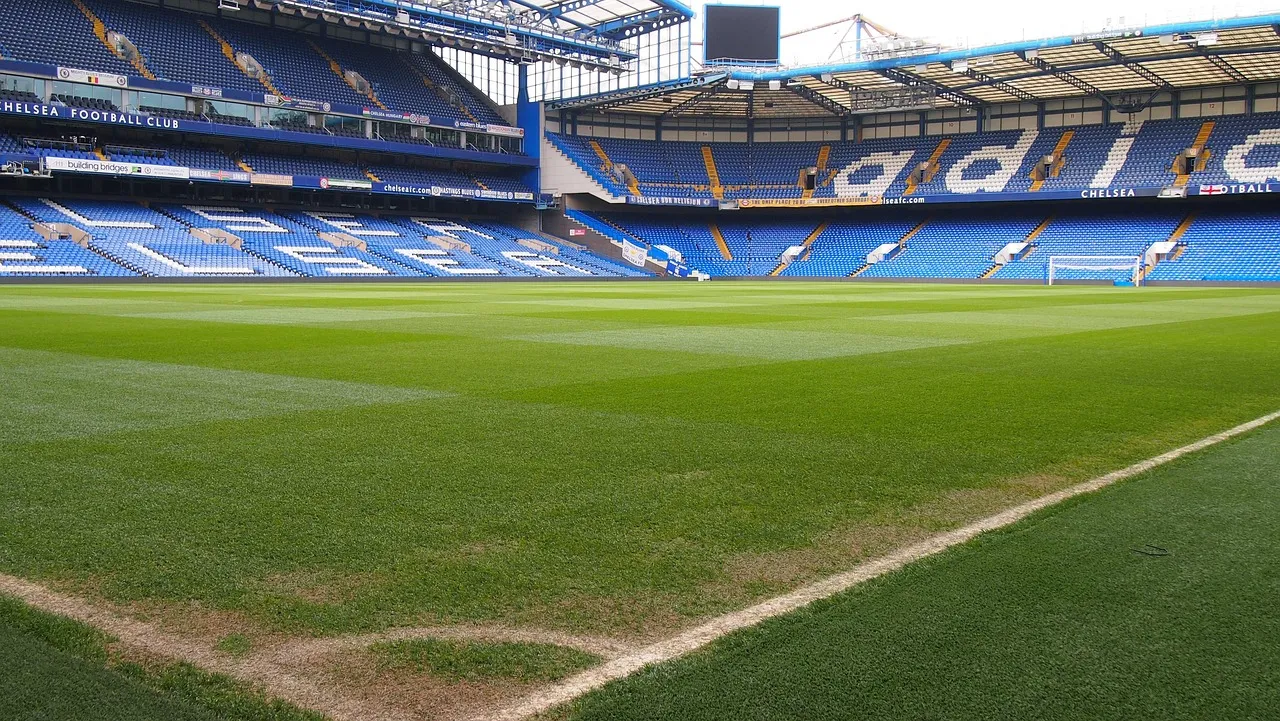
    The money sits in a British bank account like a sealed room that everyone can point to, and nobody can enter. More than £2.5bn, raised when Mr Roman Abramovich sold Chelsea Football Club in 2022, has remained frozen ever since, caught between sanctions law, diplomacy, and a promise that never turned into a transfer.​

    This week, the government decided to change the tempo. In a press release, the Chancellor and the Foreign Secretary issued Mr Abramovich a final opportunity to release the funds for humanitarian causes in Ukraine, warning that the UK is prepared to pursue court action if he fails to act.

    Prime Minister, Keir Starmer said:

    “The clock is ticking on Roman Abramovich to honour the commitment he made when Chelsea FC was sold and transfer the £2.5 billion to a humanitarian cause for Ukraine.

    This government is prepared to enforce it through the courts so that every penny reaches those whose lives have been torn apart by Putin’s illegal war.”

    Can the British Government force Mr Abramovich to hand over the money from the Chelsea sale?

    The mechanism matters. The government says an OFSI licence has been issued to permit the transfer of the proceeds, once a charitable foundation is established to receive and distribute them. Under the licence terms described by ministers, the proceeds must go to humanitarian causes in Ukraine. Any future gains earned by the foundation could support victims of conflict worldwide, but the money cannot benefit Abramovich or any other sanctioned person.

    Behind the brisk language sits a dispute about meaning as much as money. Abramovich pledged the sale proceeds would help “all victims” of the war. The government has held the line that this means humanitarian support inside Ukraine. Several outlets also note the legal awkwardness: freezing is straightforward, forcing a sanctioned owner to direct property in a particular way is much harder. As I told LBC Radio, the key question is “what was agreed between Mr Abramovich between the short time he was designated under UK sanctions law in March 2022, and the sale of Chelsea Football Club in May of the same year?”

    Why does the British Government want Mr Abramovich’s funds released?

    The Government’s case rests on both urgency and principle. The press release cites UN estimates that 12.7 million people in Ukraine need humanitarian support, and notes a 2025 UN and partners appeal of $3.32bn for humanitarian and refugee response plans.

    There is another tension, quieter but significant. Reporting suggests the full £2.5bn may not be cleanly available once historic loans connected to Abramovich’s Chelsea ownership are accounted for. Even if a foundation forms quickly, the amount available for it could be considerably reduced.​

    I told LBC Radio that the Government is likely well aware its legal position regarding forcing Mr Abramovich to transfer the money to the charitable foundation is shaky. This is primarily because the UK sanctions regime is coercive but does not provide powers to confiscate property, unlike the Proceeds of Crime Act 2022 (POCA). Assets can be frozen, but they remain ultimately the property of the owner.

    Final words

    The question of whether the Government can force Mr Abramovich to transfer the funds from the Chelsea Football Club sale to a foundation to help Ukrainian people who have suffered due to the ongoing war with Russia depends on the terms of the licence and the agreement made at the time of the sale. Although the Ukrainian people’s need for humanitarian aid is critical, any measures to deal with Mr Abramavich’s assets must comply with the sanctions regime and property law, and must maintain the integrity of the rule of law itself.

    FAQs

    What did the UK government actually do this week?

    It issued an OFSI licence intended to allow the transfer of Chelsea sale proceeds to a new charitable foundation for humanitarian support in Ukraine. It warned of court action if Mr Abramovich does not co-operate.

    Why has the money been frozen since 2022?

    Mr Abramovich was sanctioned after Russia’s full-scale invasion of Ukraine, and the proceeds from the Chelsea sale have remained in a frozen UK bank account under the sanctions regime.​

    Why does the government insist the funds must be spent in Ukraine?

    Ministers say the licence requires the proceeds to go to humanitarian causes in Ukraine and frame this as fulfilling the 2022 agreement around the sale and the pledge attached to it.​

    What happens if Mr Abramovich refuses?

    The government says it will consider all options, including pursuing the matter in court, though reporting notes uncertainty about how such a case would operate in practice.​

    Is it definitely £2.5bn that would reach Ukraine?

    Not necessarily. Reporting suggests corporate loans linked to Abramovich-era Chelsea structures could affect what is immediately available, even though the headline proceeds figure remains £2.5bn.​

    To discuss any points raised in this article, please call us on +44 (0) 203972 8469 or email us at mail@eldwicklaw.com.

    This article does not constitute legal advice. For further information, please contact our London office.
  • Countering Russian Trade Sanctions Evasion: OTSI Guidance for the Freight and Shipping Industry

    Countering Russian Trade Sanctions Evasion: OTSI Guidance for the Freight and Shipping Industry

    Background

    Following Russia’s invasion of Ukraine in February of 2022, the UK has implemented an extensive regime of sanctions and export controls, restricting Russia’s access to goods required to sustain its military operation. In response, Russia has taken increasingly complex steps in an effort to evade sanctions by the UK and its partners.

    Under Regulation 55 of The Russia (Sanctions)(EU Exit) Regulations 2019, knowing participation in direct or indirect circumvention of the UK’s prohibitions is a criminal offence.

    Given the UK’s extensive financial footprint and involvement in global supply chains, the shipping and freight industry is particularly vulnerable. The Guidance is therefore addressed to “freight forwarders, carriers, hauliers, customs intermediaries, postal and express operators, and other companies facilitating the movement of goods.”

    Means of Circumvention

    The Guidance highlights a number of such complex means of evasion potentially being employed. Key modes of circumvention identified by the Guidance include:

    • Third countries: shipments to neighbouring third countries may facilitate Russia’s access to sanctioned goods. Additional due diligence should be employed particularly where the destination country borders Russia, and has not imposed sanctions against them. The use of unreasonably complex shipping routes, or the avoidance of established ports is another potential indicator.
    • Use of Shell Companies: Procurement entities may attempt to use a shell company as a purchasing front for sanctioned goods. Companies should therefore be wary of unusual customers, transactions that inexplicably involve multiple parties based in third countries, and unsolicited approaches to ship goods from the UK. Financial inconsistencies such as dubious modes of payment should also be investigated.
    • Deceptive labelling and side-stepping customs: concealing the consignment may be a means of attempting to evade sanctions. This may be done through false or incomplete descriptions of goods, or shipping parts of a product in smaller quantities that fall under export control limits. Businesses should be wary of unusual or inconsistent shipment quantities and vague descriptions.

    Steps Advised for Compliance

    Businesses within the industry are expected to take pro-active measures to combat attempts to evade sanctions. A holistic assessment of each transaction should be conducted, which can include the following:

    • Due diligence: businesses are advised to conduct enhanced due-diligence of consignments, customers, and transactions where indicators of evasion are found. This involves pre-screening of customers, screening consignments and accompanying paper work, and conducting regular checks even with established trading partners. While any one of the above warning signs is not concrete evidence of circumvention, the Guidance sets out the expectation of independent research and prompt steps to address a sanctions risk.
    • Policy revisions to mitigate risk: Postal and express deliveries are advised to publish a ‘sanctioned goods policy’. Businesses across the shipping and freight sector would benefit from adding sanction-specific clauses to the terms and conditions, and any contracts of carriage.   
    • Supply chain investigation: shipping and freight businesses should clarify the role and involvement of suspicious third-parties. They should ensure that intermediaries and brokers have no involvement in prohibited activities.

    Implications

    The Guidance sets out a clear expectation for businesses in the shipping and freight industry to remain wary of circumvention red flags, and investigate such transactions promptly. Businesses should remain familiar with any amendments to the UK’s Consolidated Sanctions List, and the Russia (Sanctions)(EU Exit) Regulations 2019. Breach of trade sanctions may result in enforcement actions including criminal prosecution or civil monetary penalties.

    The Guidance can be found here: Countering Russian sanctions evasion: guidance for the freight and shipping sector – GOV.UK

  • How Russian Sanctions Can Affect Commercial Transactions

    How Russian Sanctions Can Affect Commercial Transactions

    VTB Capital PLC v Continental Capital Markets Ltd

    The yet to be decided case of VTB Capital PLC v Continental Capital Markets Ltd (case number LM-2025-000237), which concerns settling securities trades for a sanctioned Russian company, illustrates how sanctions can result in costly legal disputes concerning contractual non-performance.

    The decision in VTB Capital PLC v Continental Capital Markets Ltd will provide strong indications about how the High Court will interpret the ongoing obligations of contractual parties when one party and their affairs are affected by international sanctions. This is incredibly important for businesses, which require certainty when it comes to entering into cross-border contracts.

    Background of the Case

    VTB Capital PLC (VTB) is the UK arm of VTB Bank, one of Russia’s largest financial institutions. Continental Capital Markets Ltd (CCM) was a London-based brokerage firm specialising in settlement services for securities transactions.

    The two parties had entered into a contract in which CCM was to perform trades in Russian securities. The contract was entered into before Russian sanctions were put in place. However, trades were due for settlement after the UK, EU, and US tightened restrictions on Russian banks. VTB claims CCM owes around $3.4 million for the trades that were left unsettled.

    The timeline leading up to the dispute is as follows:

    • Pre February 2022 – Trades executed without controversy.
    • February 2022 onwards – Invasion of Ukraine prompts coordinated sanctions.
    • Post-sanctions – VTB’s UK operations restricted, accounts frozen, and financial institutions forced to reassess obligations.
    • VTB brings a claim against CCM, alleging breach of contract.

    The Impact of Sanctions

    Although financial sanctions are designed to injure the country or persons connected with a particular State, they can and do cause considerable commercial upheaval and uncertainty.

    For VTB, the sanctions meant its accounts were frozen. The bank was barred from receiving payments or settling trades without UK government authorisation. Similar restrictions applied across Europe and the United States, creating uncertainty for contractual parties such as CCM.

    In practical terms, trades lawfully executed before Russia invaded Ukraine and sanctions imposed could not be settled afterwards. The result was millions of dollars in suspended transactions, leaving brokers and banks exposed to financial and legal risk.

    This is a textbook example of how international sanctions can affect investment bankers, forcing them to weigh contractual obligations against compliance with sanctions law.

    What are both parties’ legal arguments?

    There are three interlocking concepts: illegality, frustration, and sanctions licences.

    VTB position:

    • CCM owes $3.4 million under trades executed before the sanctions.
    • Performance was still possible under an OFSI general licence granted in  February 2022, which permitted certain wind-down activities.
    • VTB expressed a “clear intention” to fulfil its obligations under the contract and argued that sanctions did not extinguish CCM’s duty to perform the trades in question.

    CCM’s defence:

    • Performance of the trades was illegal under UK sanctions law without specific licences that were not available at the time.
    • The contracts were frustrated, meaning events outside the parties’ control made performance impossible.
    • Even where licences existed, they were limited and temporary, designed for winding down positions rather than creating new obligations.
    • Any payment would result in an overall loss rather than profit, since the resale of securities linked to VTB was effectively blocked.

    What are the implications of the High Court’s decision in VTB Capital PLC v Continental Capital Markets Ltd?

    The case before the High Court will hopefully clarify the following questions:

    • Can UK sanctions imposed under the Sanctions and Anti-Money Laundering Act 2018, frustrate contracts or simply suspend them until licences permit performance?
    • To what extent should the court prioritise commercial certainty when governments impose sanctions?

    To mitigate the risks of contract disputes developing, due diligence needs to be undertaken when entering into commercial contracts where one party is based, or is a subsidiary of a company based in a volatile region. An experienced Commercial and Sanctions Law Solicitor can assess the risks, including whether the scope of existing OFSI licences will allow ongoing performance. In addition, they can draft effective force majeure and frustration of contract clauses to protect their client’s interests.

    Wrapping up

    The High Court’s decision in VTB Capital PLC v Continental Capital Markets Ltd is highly anticipated. However, given the sums involved, certainty may remain elusive whilst the inevitable appeals proceed.

    We will keep you updated as more information comes to light.

    FAQs

    What is the VTB Capital v Continental Capital Markets case about?

    It concerns unsettled Russian securities trades worth around $3.4 million. VTB sued CCM for payment, but CCM argued the contracts were frustrated and illegal due to sanctions.

    What does “frustration” mean in English contract law?

    A contract may be discharged on the ground of frustration when something happens which makes it physically, legally, or commercially impossible to fulfil, or changes the obligations so radically that they are completely different to what was originally agreed.

    How do UK, US, and EU sanctions implemented after the Ukraine invasion affect investment bankers?

    They may prevent payments to and from sanctioned Russian banks, freezing transactions, and making settlement of specific trades highly uncertain.

    What is an OFSI general licence?

    It is an authorisation issued by the Office of Financial Sanctions Implementation allowing limited activities that would otherwise breach sanctions, such as winding down existing trades.

    Why does this case matter beyond the two parties?

    The decision may offer some commercial certainty about how the courts will handle claims brought on the grounds that contractual obligations disrupted by sanctions resulted in breach of contract.

    To discuss any points raised in this article, please call us on +44 (0) 203972 8469 or email us at mail@eldwicklaw.com.

    Note: This article does not constitute legal advice. For further information, please contact our London office.

  • How Russian Sanctions Can Affect Commercial Transactions

    How Russian Sanctions Can Affect Commercial Transactions

    VTB Capital PLC v Continental Capital Markets Ltd

    The yet to be decided case of VTB Capital PLC v Continental Capital Markets Ltd (case number LM-2025-000237), which concerns settling securities trades for a sanctioned Russian company, illustrates how sanctions can result in costly legal disputes concerning contractual non-performance.

    The decision in VTB Capital PLC v Continental Capital Markets Ltd will provide strong indications about how the High Court will interpret the ongoing obligations of contractual parties when one party and their affairs are affected by international sanctions. This is incredibly important for businesses, which require certainty when it comes to entering into cross-border contracts.

    Background of the Case

    VTB Capital PLC (VTB) is the UK arm of VTB Bank, one of Russia’s largest financial institutions. Continental Capital Markets Ltd (CCM) was a London-based brokerage firm specialising in settlement services for securities transactions.

    The two parties had entered into a contract in which CCM was to perform trades in Russian securities. The contract was entered into before Russian sanctions were put in place. However, trades were due for settlement after the UK, EU, and US tightened restrictions on Russian banks. VTB claims CCM owes around $3.4 million for the trades that were left unsettled.

    The timeline leading up to the dispute is as follows:

    • Pre February 2022 – Trades executed without controversy.
    • February 2022 onwards – Invasion of Ukraine prompts coordinated sanctions.
    • Post-sanctions – VTB’s UK operations restricted, accounts frozen, and financial institutions forced to reassess obligations.
    • VTB brings a claim against CCM, alleging breach of contract.

    The Impact of Sanctions

    Although financial sanctions are designed to injure the country or persons connected with a particular State, they can and do cause considerable commercial upheaval and uncertainty.

    For VTB, the sanctions meant its accounts were frozen. The bank was barred from receiving payments or settling trades without UK government authorisation. Similar restrictions applied across Europe and the United States, creating uncertainty for contractual parties such as CCM.

    In practical terms, trades lawfully executed before Russia invaded Ukraine and sanctions imposed could not be settled afterwards. The result was millions of dollars in suspended transactions, leaving brokers and banks exposed to financial and legal risk.

    This is a textbook example of how international sanctions can affect investment bankers, forcing them to weigh contractual obligations against compliance with sanctions law.

    What are both parties’ legal arguments?

    There are three interlocking concepts: illegality, frustration, and sanctions licences.

    VTB position:

    • CCM owes $3.4 million under trades executed before the sanctions.
    • Performance was still possible under an OFSI general licence granted in  February 2022, which permitted certain wind-down activities.
    • VTB expressed a “clear intention” to fulfil its obligations under the contract and argued that sanctions did not extinguish CCM’s duty to perform the trades in question.

    CCM’s defence:

    • Performance of the trades was illegal under UK sanctions law without specific licences that were not available at the time.
    • The contracts were frustrated, meaning events outside the parties’ control made performance impossible.
    • Even where licences existed, they were limited and temporary, designed for winding down positions rather than creating new obligations.
    • Any payment would result in an overall loss rather than profit, since the resale of securities linked to VTB was effectively blocked.

    What are the implications of the High Court’s decision in VTB Capital PLC v Continental Capital Markets Ltd?

    The case before the High Court will hopefully clarify the following questions:

    • Can UK sanctions imposed under the Sanctions and Anti-Money Laundering Act 2018, frustrate contracts or simply suspend them until licences permit performance?
    • To what extent should the court prioritise commercial certainty when governments impose sanctions?

    To mitigate the risks of contract disputes developing, due diligence needs to be undertaken when entering into commercial contracts where one party is based, or is a subsidiary of a company based in a volatile region. An experienced Commercial and Sanctions Law Solicitor can assess the risks, including whether the scope of existing OFSI licences will allow ongoing performance. In addition, they can draft effective force majeure and frustration of contract clauses to protect their client’s interests.

    Wrapping up

    The High Court’s decision in VTB Capital PLC v Continental Capital Markets Ltd is highly anticipated. However, given the sums involved, certainty may remain elusive whilst the inevitable appeals proceed.

    We will keep you updated as more information comes to light.

    FAQs

    What is the VTB Capital v Continental Capital Markets case about?

    It concerns unsettled Russian securities trades worth around $3.4 million. VTB sued CCM for payment, but CCM argued the contracts were frustrated and illegal due to sanctions.

    What does “frustration” mean in English contract law?

    A contract may be discharged on the ground of frustration when something happens which makes it physically, legally, or commercially impossible to fulfil, or changes the obligations so radically that they are completely different to what was originally agreed.

    How do UK, US, and EU sanctions implemented after the Ukraine invasion affect investment bankers?

    They may prevent payments to and from sanctioned Russian banks, freezing transactions, and making settlement of specific trades highly uncertain.

    What is an OFSI general licence?

    It is an authorisation issued by the Office of Financial Sanctions Implementation allowing limited activities that would otherwise breach sanctions, such as winding down existing trades.

    Why does this case matter beyond the two parties?

    The decision may offer some commercial certainty about how the courts will handle claims brought on the grounds that contractual obligations disrupted by sanctions resulted in breach of contract.

    To discuss any points raised in this article, please call us on +44 (0) 203972 8469 or email us at mail@eldwicklaw.com.

    Note: This article does not constitute legal advice. For further information, please contact our London office.